Light-Years
There are certain points in our life when we have the privilege of unbridled play and experimentation. In childhood, we play innocently without concern of what others might think about us. We laugh. We cry. We dance. We sing.
As we grow, though, we experience the shame of judgement and the traumas of abuse. We receive well-intentioned yet sometimes toxic corrections. We are taught, by others, how we are supposed to act and what our life is supposed to look like. We replace our childlike sense of play with goal setting, aspiration, people-pleasing and sometimes simply survival. We stop making playful decisions and start making safe or strategic decisions.
Those of us who are lucky enough, though, will have an opportunity to rediscover our sense of play later in life. After we find success -- through achievement, a perspective change or maybe even biological/hormonal change -- we free ourselves from the burdens of adulthood and the expectations of others. We enter the "I don't give a F*%$ what you think!" period of our lives, and we are once again free to play and experiment.
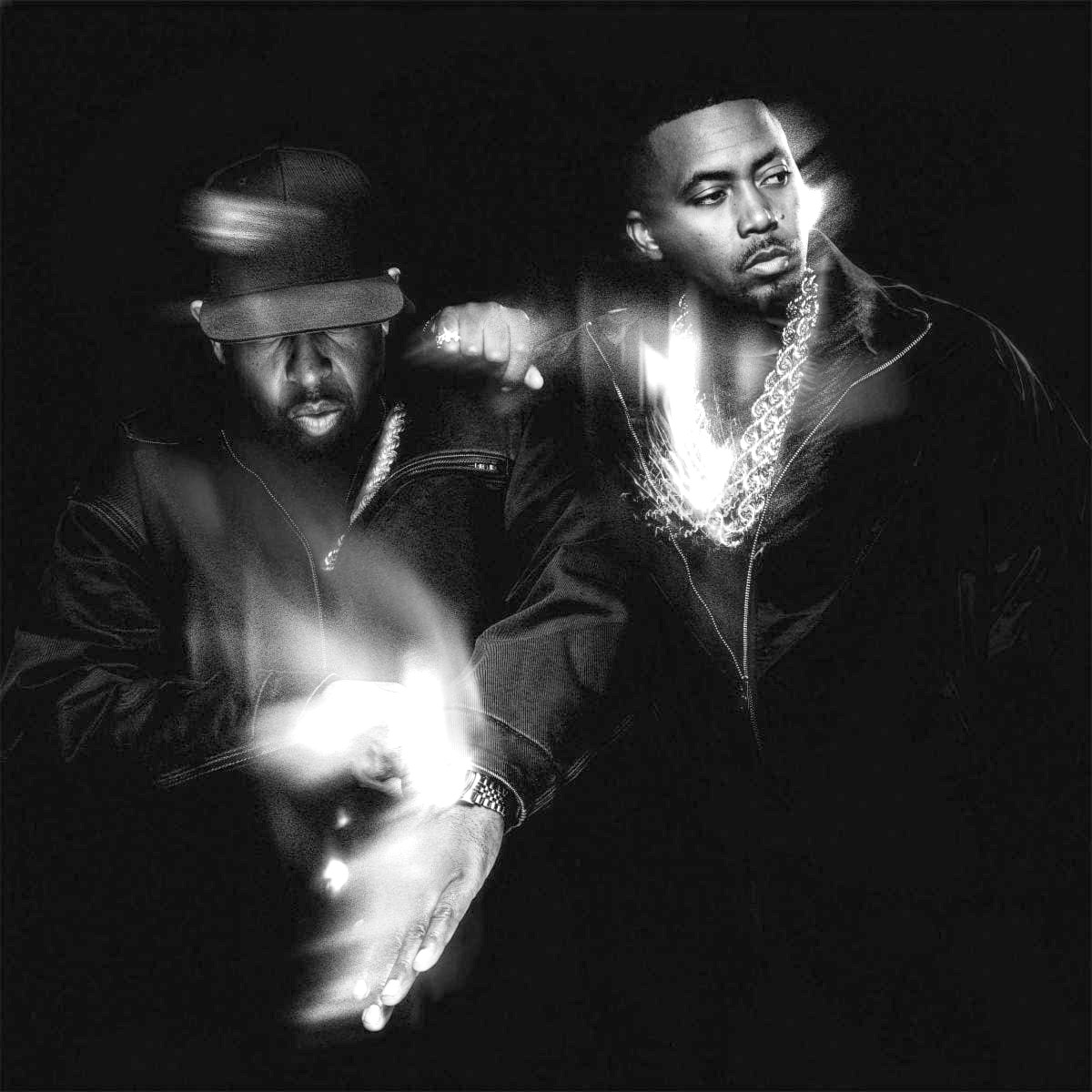
I like to think of Nas and DJ Premier's new album, Light-Years as a rediscovery of play and experimentation for 2 artists who have achieved and grown and who are now free, once again, to play.
3 Playful Moments of Light-Years
1. It's Time
At a time when producers like Puff Daddy were depending on recognizable samples for making hit records, DJ Premier made a name for himself by finding obscure samples and chopping them into completely original arrangements.
But, Premier takes a very different approach with his production on It's Time — a clear tip of the hat to the Steve Miller Band's, Fly Like an Eagle.
Fly Like an Eagle is immediately recognizable to fans of classic Hip Hop. It was sampled by Marley Marl in Biz Markie's Nobody Beats the Biz and then again 10 years later on the I Don't Want to Be Alone Remix by Shai and Jay-Z. You can even find elements of it on UGK's Too Hard To Swallow album.
Premo's chop of Fly Like an Eagle is intentionally recognizable and yet still a unique arrangement. He gives u an embellished baseline underlayed with recognizable Premo-esque bass sounds, and he sprinkles Miller's "do doo doooo" throughout the arrangement.
This recognizability feels like a fresh, new experiement. Maybe it was something that he wouldn't allow himself to do back in the 80's and 90's. Maybe MC Lyte's 10% Dis or MC Shan's Beat Biter set Premo on a path of making sure that no one would ever be able to call him a beat biter. But, here we are almost 40 years later, and that's never happened. So, maybe now is his chance to experiement with some of the classics or some of his favorites, like Fly Like An Eagle or Wilson Pickett's Engine Number 9 or even the "get get" from Craig G and Marley Marl's Droppin Science.
2. Nasty Esco Nasir
Change is inevitable. We adapt. We adjust. We grow.
On Nasty Esco Nasir, Nas brings all of his alter-egos into the same song and pitts them against each other. From Nasty to Esco to Nasir, each has their own story and approach to Hip Hop. You can even hear Nas shift his voice slightly from his younger, nastier, go-to-hell-for-snuffin-Jesus energy to his more laid-back, slightly raspy, Corleone-esque, "Firm" era Esco voice.
But Nasty Esco Nasir is also a brilliant retrospect of his artistic choices over the years. He challenges himself, but he's also challenging his fans, those of us who criticized him one way or the other because we wanted more Nasty or more Esco. Personally, I was not above that critique of Nas's Esco alter-ego. I spent a decade waiting for more Nasty Nas. I'm not sure if Nasty Nas ever quite made it back. I'm not even sure if it was fair of me to expect Nas to regress like that. But, I can say that seeing Nas's whole journey is probably the best outcome that I could have hoped for.
3. Paying Homage
Making lists — for me — is a favorite kind of grown-up nerdy play. I find fun and comfort in finding and creating connections between songs, then documenting it all in the form of a mixtape or a playlist. This practice is more impotant than just play, though. It also helps tell a story and share a history. My play becomes my documented perspective on the things that matter to me.
Nas turns Light-Years into a similar academic exercise by telling his-story and making his-lists. On Writers, for example, he documents as many graff writers as he can fit into a 5 minute song. He tells their story and says their names, and by doing so, he creates a historic document that can be referred to over and over by anyone who wants to learn about the history of graffitti writers.
He does the same thing on Bouquet (To The Ladies), documenting and showing appreciation to as many "fem-cees" as he can think of. He runs the whole gammut from 80's pioneers like Roxanne Shante and Ms Melody to more recent artists like Ice Spice and Scarlip.
I know there are a lot of fans that wanted a "second" Illmatic. Shoot. I thought I wanted another Illmatic — until I heard Light-Years. Once I heard it, I realized that we don't need 2 Illmatic's. But, we do need a Light-Years.